
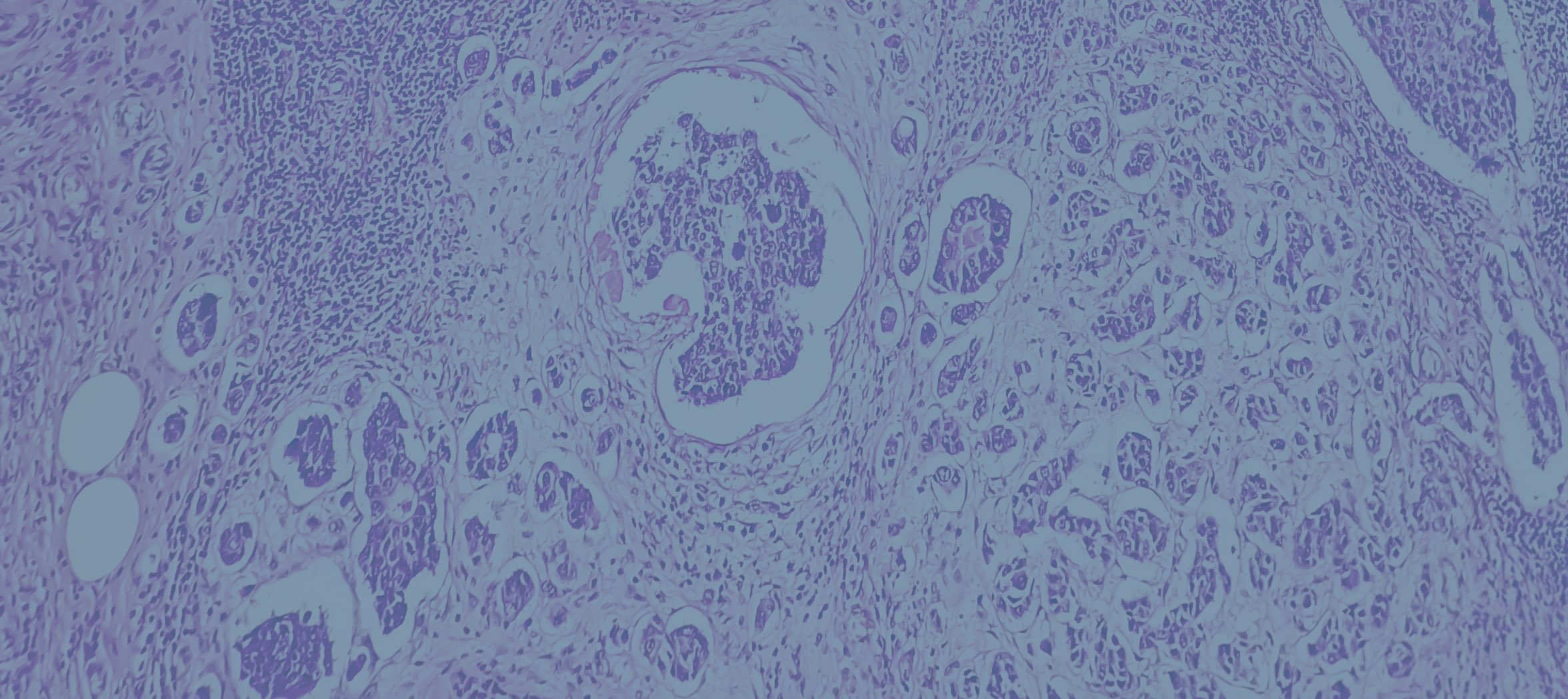
Breast Cancer
A diagnosis of breast cancer can be one of the most overwhelming moments in a person’s life. I always endeavour to provide clarity, compassion, and a clear plan forward. My goal is to ensure that you fully understand your diagnosis, the treatment options available to you, and the support we will provide throughout your journey.
What is Breast Cancer?
Breast cancer occurs when cells within the breast begin to grow abnormally and uncontrollably, forming a lump or mass. These cells can sometimes spread beyond the breast to nearby lymph nodes or other parts of the body. There are several different types of breast cancer, and treatment is always tailored to the individual.
Breast cancer may be detected as a lump, a change in breast shape or skin texture, nipple changes, or an abnormality found on imaging such as a mammogram or ultrasound. Some breast cancers are detected through screening before any symptoms develop — which is why regular screening is so important.
Types Of Breast Cancer
There are many subtypes of breast cancer, but the most common include:
Ductal carcinoma in situ (DCIS) – an early, non-invasive form of breast cancer confined to the milk ducts.
Invasive ductal carcinoma (IDC) – the most common form of invasive breast cancer, arising from the milk ducts.
Invasive lobular carcinoma (ILC) – arises from the lobules that produce milk and often presents more subtly on imaging.
Other, less common subtypes include inflammatory breast cancer and triple-negative breast cancer. Each type has unique features that influence treatment decisions, which I will discuss in detail during your consultation.
Diagnosis & Staging
When breast cancer is suspected, diagnosis is confirmed with a core biopsy — a small tissue sample taken under local anaesthetic. Once confirmed, further imaging such as mammogram, ultrasound, or MRI may be required to evaluate the extent of the disease.
In some cases, additional scans such as CT, bone scan, or PET may be arranged to ensure there is no spread beyond the breast and lymph nodes. This process is called staging, and it helps determine the best treatment plan for you.
All pathology results are reviewed carefully with you in consultation, and I will take the time to explain what the results mean for your specific case.
Treatment Options
Treatment for breast cancer is highly individualised and depends on the type, size, stage, and biological behaviour of the cancer.
The main treatment pillars include:
Surgery: either breast-conserving surgery (lumpectomy) or mastectomy, depending on tumour size and location.
Radiotherapy: often used after lumpectomy to reduce the risk of recurrence.
Systemic therapy: such as hormone-blocking therapy, chemotherapy, or targeted therapy (depending on tumour biology).
Whenever possible, I aim to preserve breast shape and appearance through oncoplastic surgical techniques, combining cancer removal with cosmetic reconstruction. Every patient’s journey is different, and my role is to guide you through these choices in a clear and supportive manner.

Frequently Asked Questions (Faq)
Will I need chemotherapy?
Not all patients require chemotherapy. It depends on your cancer type, grade, and hormone receptor status. I will explain your results in detail and work closely with your oncology team to decide the best approach.
Can I keep my breast?
In many cases, yes. Breast-conserving surgery (lumpectomy) combined with radiotherapy can be just as effective as mastectomy for many patients. We will discuss your options in detail.
Will I lose my hair from treatment?
Only chemotherapy causes hair loss. If chemotherapy is needed, we will discuss options such as scalp cooling to help minimise this side effect.
How long will I need to take time off work?
This depends on the type of surgery and treatment you undergo, but typically you should allow two to three weeks for recovery after surgery.
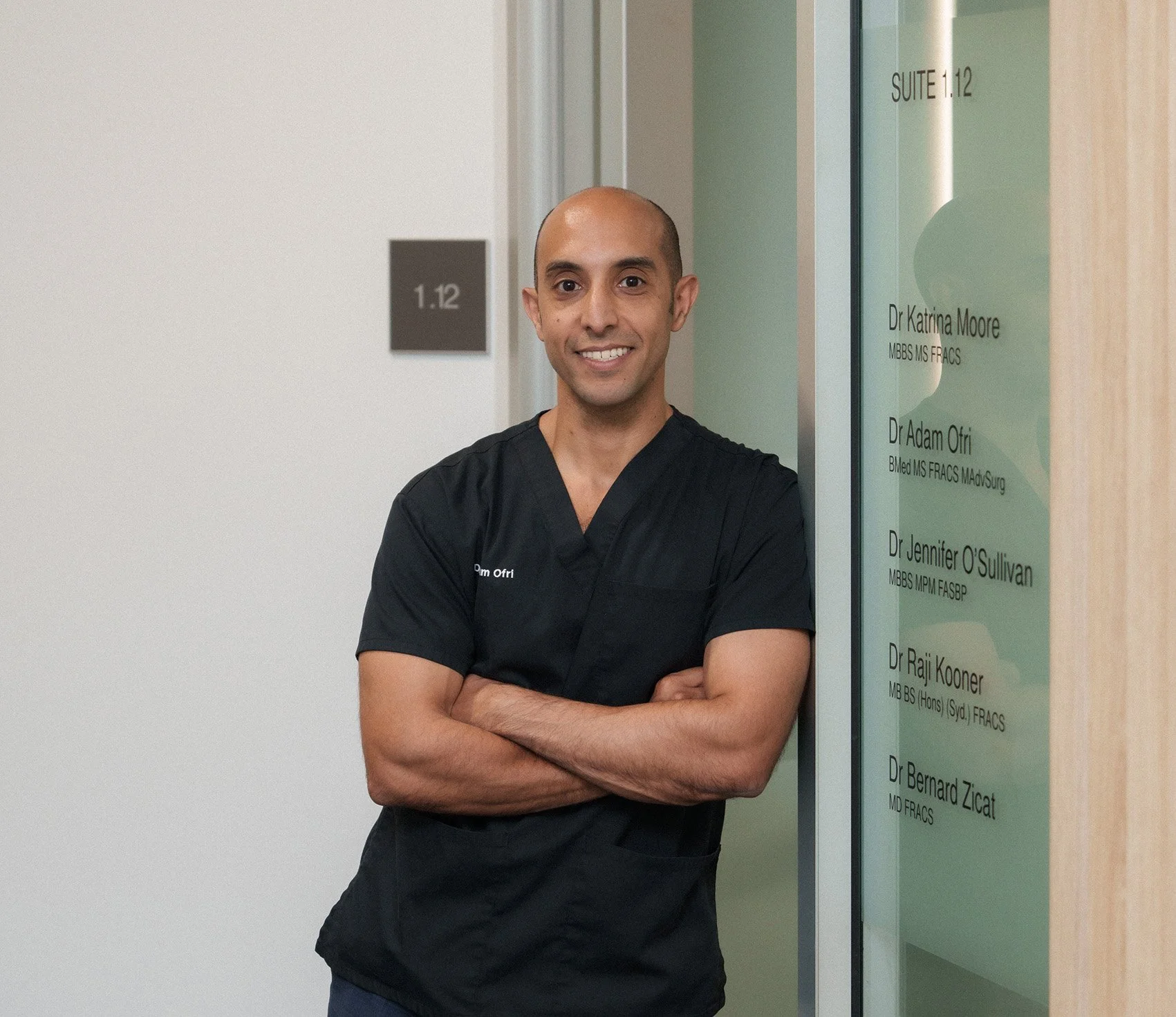
SYDNEY BREAST SURGEON
Why Choose Dr Ofri For Your Breast Care?
When you choose me as your surgeon, you can be confident that your care will be guided by compassion, communication, and clinical excellence. I take pride in providing a personalised approach to every patient — ensuring you feel supported, informed, and empowered throughout your journey.
As an oncoplastic breast surgeon, I combine advanced cancer treatment with aesthetic consideration, aiming to achieve the best oncological and cosmetic results possible. My academic involvement ensures I remain at the forefront of modern breast surgery and breast cancer research, providing care that reflects the latest evidence and best practice.